Japan, the First Place Where the World Tasted Ruby Chocolate
Kai·September 26, 2026

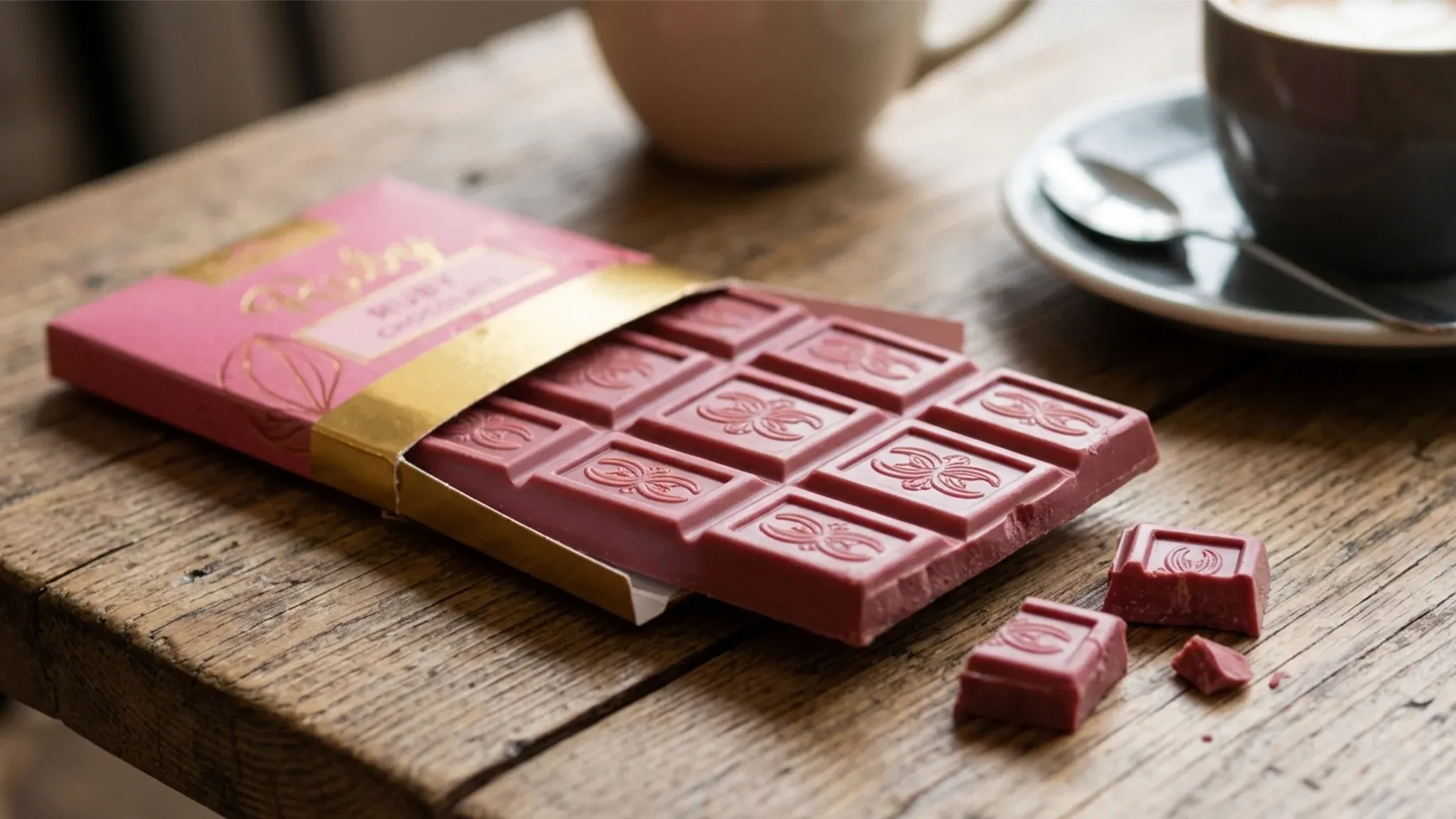
For more than a century, chocolate lived within two familiar families. Dark and milk chocolate carried the depth of roasted cocoa solids, the aroma that rises when beans are ground and refined. They were the chocolates people reached for when they wanted something comforting, something with a sense of tradition. White chocolate arrived later, built from cocoa butter rather than cocoa solids, giving it a pale color and a gentle sweetness that felt almost like a confection of its own. It was smooth and mild, and it found a welcoming home in Japan, where gentle flavors often thrive. Together, these three types shaped the world’s understanding of what chocolate could be, and for decades nothing new emerged to join them.
The idea that a fourth chocolate might exist felt almost mythical. Chocolate makers experimented with textures and blends, but the basic categories stayed the same. Then, in the twenty first century, Barry Callebaut introduced something that looked almost unreal. Ruby chocolate appeared with a natural pink color and a bright, fruity taste. It was not colored or flavored. Its character came from ruby cocoa beans grown in places such as Ecuador, Brazil, and Ivory Coast. Through a careful process that preserves the bean’s natural pigments and acidity, the chocolate develops a vivid hue and a flavor that sits between sweetness and tartness. It feels modern, almost like a fresh fruit note captured inside a chocolate bar, and it surprised people who thought chocolate had no more room to evolve.
Ruby chocolate was unveiled in 2017, but its first true moment happened in Japan. When Barry Callebaut prepared to bring this new chocolate to the world, they chose Japan as the debut market. The decision reflected something deeper than simple marketing. Japan has a long relationship with chocolate, from Valentine’s Day traditions to regional omiyage boxes that turn sweets into souvenirs. The country’s confectionery culture embraces novelty, seasonal releases, and refined presentation. Even a simple snack can become a small work of design. KitKat already held a special place in Japanese food culture, with boutique stores and regional editions that treat the brand as a craft item rather than a casual treat.
In early 2018, Nestlé Japan released the KitKat Chocolatory Sublime Ruby. It became the first commercial ruby chocolate product available anywhere. The moment it appeared, people noticed its color. It had a soft pink tone that looked natural yet unfamiliar, like something discovered rather than invented. Inside KitKat Chocolatory boutiques, the bars were displayed with the same care given to fine pastries. The flavor was bright and slightly tart, a gentle fruitiness that lingered on the tongue. It matched the Japanese love for subtle, layered tastes.
I remember hearing about ruby chocolate for the first time and feeling a spark of curiosity. A new chocolate type sounded almost impossible, so I went searching for it. The hunt took me through Tokyo until I found myself standing inside an official KitKat store, staring at a small row of pink bars that looked almost too delicate to touch. When I finally tasted one, my tastebuds reacted in a way I had never felt before. Something unusual was happening, a soft tickle of fruit and acidity that didn’t belong to any chocolate I knew. It felt like discovering a new color.
Photos of the Sublime Ruby spread online. Travelers added it to their lists of things to bring home. International media wrote about how Japan had become the world’s first gateway to ruby chocolate. The launch turned a laboratory discovery into a cultural moment, and the excitement around it showed how strongly Japan influences global food trends. A new chocolate type had arrived, and the world first tasted it in Tokyo.
Ruby chocolate may have been invented in Europe, but its story began in Japan. The country’s openness to new tastes and its vibrant snack culture helped introduce the world to a chocolate that felt entirely new. In a market that celebrates creativity and seasonal change, ruby chocolate found the perfect place to step into the world.
This article was created with assistance from AI and edited by a human