Time Crafted in Japan
Kai·September 20, 2026

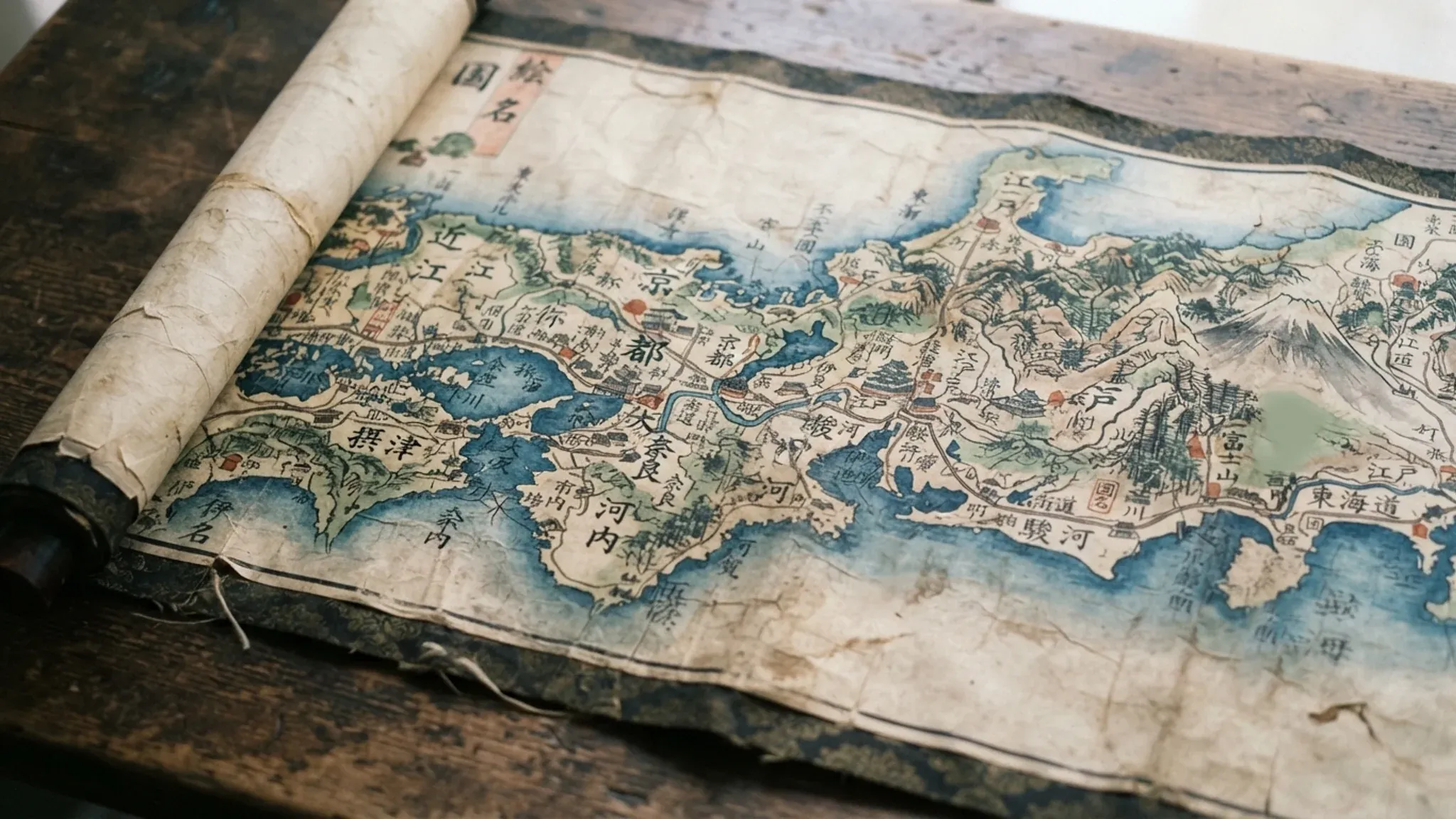
Japanese watchmaking begins long before the polished boutiques and modern collectors who celebrate it today. It begins with a national instinct to shape time into something meaningful. When timekeeping first reached Japan through Portuguese missionaries in the 1500s, it did not remain a foreign idea for long. The Japanese reimagined it through the wadokei, seasonal clocks whose hours expanded and contracted with daylight. These early creations reflected a belief that time should follow nature rather than force nature to follow time. That blend of philosophy and invention became the foundation of Japan’s approach to craftsmanship, a way of thinking that still lives inside the movements worn on wrists around the world.
From this long tradition grew a modern landscape defined by four influential makers. Seiko, Casio, Orient, and Citizen form what many collectors call Japan’s Big Four, a group that represents the country’s most significant contributions to global horology. Each brand carries its own personality and philosophy, yet together they illustrate the full range of Japanese creativity, from mechanical heritage to digital innovation, from refined artistry to rugged engineering. Understanding these four makers provides a clear view into how Japan shaped timekeeping for everyday life and for special occasions, and why Japanese watches have become symbols of national pride.
Seiko stands at the beginning of this modern story. In 1881, Kintaro Hattori founded Seikosha and began producing early pocket watches that paved the way for the Laurel in 1913, Japan’s first domestically made wristwatch. This achievement was more than a technical milestone. It signaled Japan’s determination to define its own future in timekeeping. Seiko’s innovations soon reshaped the global industry. The Quartz Astron of 1969 introduced a vibrating crystal that made accuracy attainable for everyday people, changing the world’s relationship with precision. Yet Seiko’s influence extends beyond technology. Its philosophy of monozukuri, the devotion to making things with care, lives in mirror polished cases, dials inspired by snowfields and cherry blossoms, and the smooth, deliberate sweep of a seconds hand that feels almost like a gesture of craftsmanship. Seiko’s evolution shows how Japan’s heritage and creativity can turn a practical object into something expressive and enduring.
Casio carried that spirit of invention into a different direction, one defined by resilience and bold engineering. The G Shock was born from Kikuo Ibe’s determination to create a watch that simply would not break. The first model, released in 1983, combined shock resistant architecture, water resistance, and digital precision into a purposeful design that became a cultural icon embraced by soldiers, rescue teams, athletes, and streetwear communities. Over the decades, G Shock grew into a vast family of playful, professional, affordable, and collectible models. Casio’s premium MR G line elevated the concept further, merging G Shock’s toughness with traditional Japanese polishing, layered metal construction, and advanced alloys. The result is a uniquely Japanese fusion of durability and refinement, proof that strength can be beautiful and that engineering can carry cultural identity.
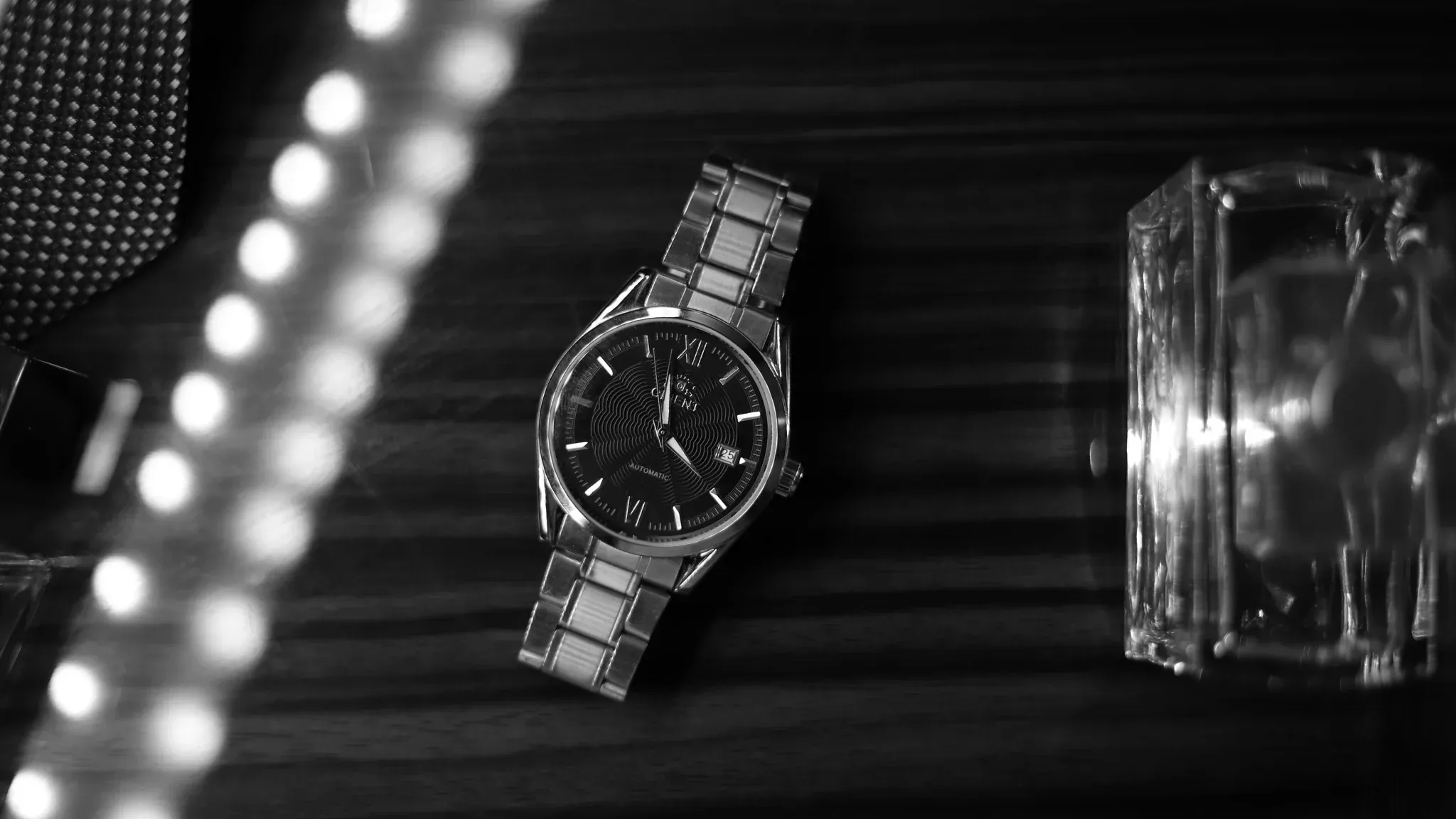
Orient represents another pillar of Japanese watchmaking, one rooted in the mastery of mechanical tradition. Founded in 1950, the brand built its reputation on reliable, elegant timepieces powered by in house movements. Orient Star, introduced in 1951, signaled the brand’s ambition to aim higher, refining calibers and finishing with steady dedication. Epson’s precision manufacturing later strengthened Orient’s capabilities, bringing advanced machining and surface finishing to its long standing mechanical expertise. The watches that emerge from this partnership have modest cases, thoughtful dials, and movements that speak to decades of disciplined improvement. Orient’s commitment to robust calibers, improved power reserves, and dependable regulation has made it a natural gateway into mechanical watch appreciation, an invitation to experience the tactile pleasure of winding a watch and listening to its heartbeat.
Citizen completes the Big Four with a legacy built on practical innovation and everyday usefulness. The company’s story begins with the Shokosha Watch Research Institute in 1918, followed by early pocket watches that carried the Citizen name in the 1920s. From the beginning, Citizen aimed to make timekeeping accessible and meaningful for everyday people. Its innovations reflect curiosity and a desire to improve daily life. Early experiments like Parawater explored water resistance, while electronic movements such as the Cosmotron pushed boundaries in the pursuit of accuracy. Eco Drive, Citizen’s light powered technology, transformed sustainability into convenience by eliminating the need for battery changes. Super Titanium with DURATECT surface hardening brought scratch resistance and comfort to modern wearers. Satellite Wave GPS offered instant global timekeeping. Promaster tool watches served professionals across sea, land, and sky. Most recently, Citizen distilled decades of quartz mastery into the Caliber 0100, an Eco Drive movement accurate to about plus or minus one second per year, an achievement that stands as one of the most precise wristwatch movements ever made. Citizen’s heritage is one of thoughtful engineering, reliability, and innovation that enhances everyday life with subtle sophistication.
Beyond the Big Four lies a vibrant world of independents and microbrands that has redefined Japanese watchmaking. These creators work in small workshops, often producing fewer than a hundred pieces a year, yet their influence is profound. Hajime Asaoka, a self taught master, crafts handmade tourbillons and chronographs of extraordinary refinement, while his Kurono Tokyo line brings Art Deco inspired beauty to a wider audience. Naoya Hida and Co. produces watches with hand engraved numerals and restrained elegance, appealing to connoisseurs who value subtle artistry. Makers such as Kikuchi Nakagawa and Masahiro Kikuno create timepieces in extremely limited numbers, each one a modern heirloom shaped by meticulous hands. Alongside these high craft independents, microbrands broaden the landscape. KUOE channels Kyoto’s historic grace into vintage inspired designs. Knot, born in Kichijoji, encourages personal expression through customizable cases and straps. Minase builds architectural watches with modular case in case structures and mirror polished surfaces. Future Funk celebrates retro digital aesthetics with playful creativity. Together, these makers showcase the full spectrum of Japanese imagination, from handmade masterpieces to democratic luxury, from architectural experimentation to nostalgic fun.
Japanese watches are more than accessories. They are companions shaped by culture, craft, and philosophy. Their balanced proportions, slim profiles, refined dials, and comfortable diameters make them ideal for modern wardrobes. A vintage inspired KUOE complements an elegant casual outfit. A Grand Seiko brings presence to formal wear. An Orient Star Skeleton sparks conversations about design and heritage. A G Shock thrives in streetwear and outdoor gear. For collectors, Japanese watches represent accessible luxury, offering finishing and originality that often rival Swiss counterparts at a fraction of the price. They embody innovation with substance, rooted in tradition yet forward looking in materials and technology. Most importantly, they invite wearers to think of timepieces as heirlooms, objects that gather meaning through use, memory, and continuity.
A Japanese watch, with its polished case and thoughtfully finished dial, connects the wearer to a world of meticulous craft and enduring values. Each piece carries more than function. It carries a story meant to be lived, cherished, and eventually passed on. Choosing a Japanese watch is not simply a purchase. It is an embrace of heritage, taste, and the poetry of Japanese ingenuity. When you select a model that resonates with your style and values, you carry a living chapter in the ongoing story of Japan’s creative spirit, a testament to the country’s devotion to excellence and its ability to shape time itself into something meaningful.
This article was created with assistance from AI and edited by a human