Kankuri Kids Kitchen: A Children’s Cafeteria Growing in Osaka’s Ikuno Ward
Kai·April 15, 2026

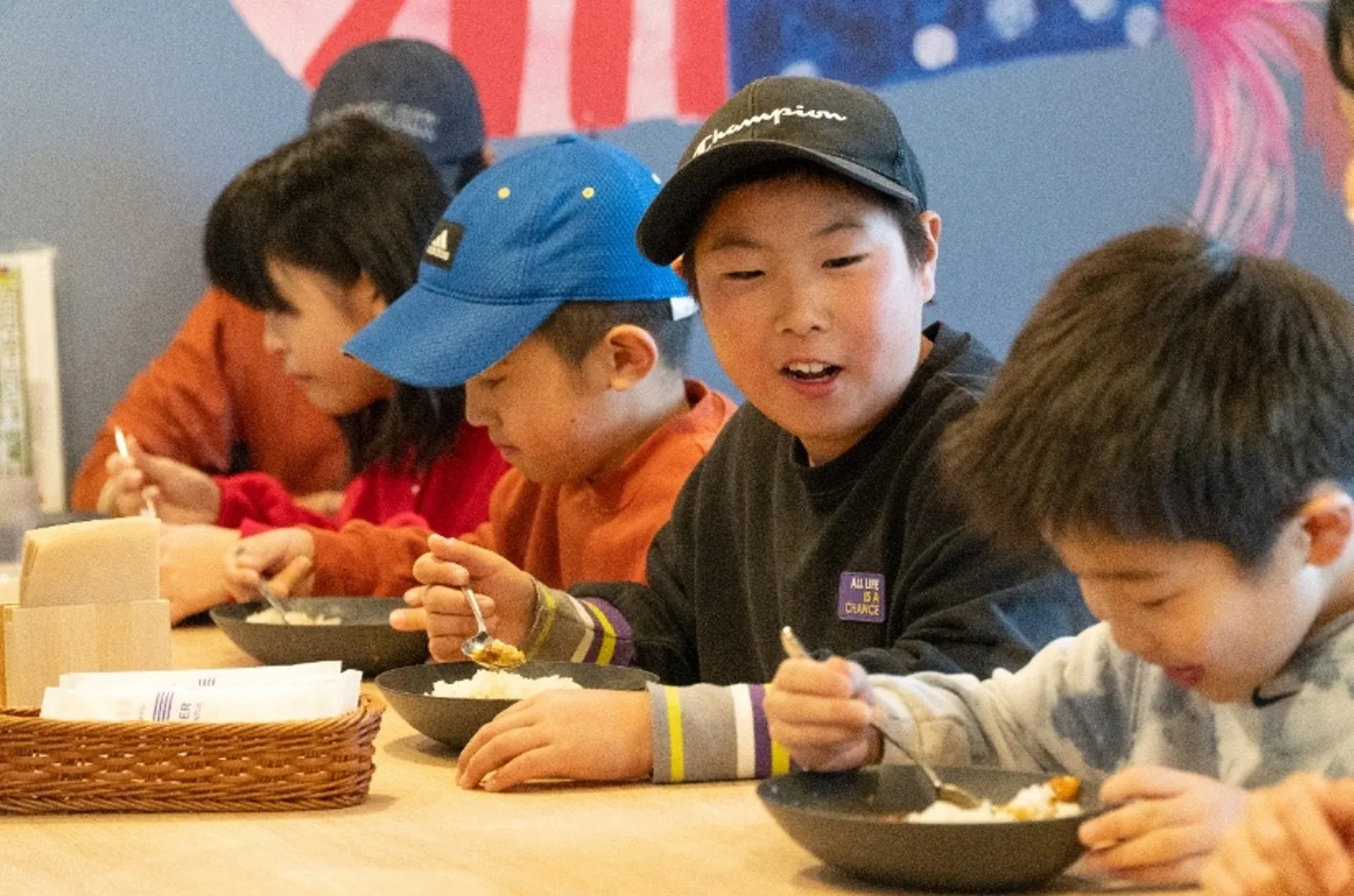
Someone beat us to the punch, and somehow it feels encouraging rather than disappointing. We have long hoped to create a children’s cafeteria of our own one day, so seeing one appear in Osaka feels strangely close to home. In Ikuno Ward, a small team of volunteers has opened a new community kitchen for children and families. It is the kind of place built from donated time, borrowed hands, and the belief that a warm meal can change the shape of a day. The project, called Kankuri Kids Kitchen, began with an empty space that had been sitting unused for years. Now, on certain afternoons, you can hear the clatter of pots, the soft shuffle of kids lining up, and the low hum of neighbors greeting one another as if they have known each other forever.
Kankuri Kids Kitchen opened on January 31, 2026, and by spring it had already welcomed more than two hundred users in its first three months. The kitchen continues to open monthly, drawing families from across Ikuno Ward and settling into its role as a small but steady community space.
The kitchen sits in a small renovated space at Osaka-shi Ikuno-ku, Katsuyama 3-8-25. It is close enough to Tsuruhashi Station that families can reach it in a short walk, and the organizers keep the doors open once a month, usually on a weekend afternoon. Children eat for free, and adults contribute only what they can. Everything about the place feels designed to lower the weight on someone’s shoulders.
The opening event was simple but full of heart. Volunteers prepared trays of sushi, five hundred pieces in total, each one made with steady hands and a sense of purpose. Children arrived first, curious and shy, followed by parents who settled in beside them as the trays of sushi were brought out. The mayor of Ikuno Ward stopped by and offered a few words of support, but the real moment belonged to the families who sat down together and shared food that did not cost them anything except the courage to walk through the door.
Children’s cafeterias, known in Japanese as kodomo shokudou, have become an important part of community life across Japan. The idea traces back to volunteer meal programs in the late Showa era, when small groups began offering food and support to young people who needed a safe place to spend time. The first place officially called a kodomo shokudou opened in 2012 at a greengrocer in Ota Ward, Tokyo, after the owner learned that some local children were not getting proper meals. The idea spread quickly because it was simple and human. A child could walk in, sit down, and eat without worry.
From there, children’s cafeterias grew rapidly. By 2016 there were around 300 locations, and the number began rising by more than a thousand each year. Support organizations such as Musubie helped connect volunteers, secure donations, and share knowledge across regions. During the COVID pandemic, even more communities opened their doors as families faced new hardships. Today, Japan has well over ten thousand children’s cafeterias, a number now higher than all public junior high schools in the country. They have become a quiet but powerful part of the social landscape.
By every measure, Kankuri Kids Kitchen fits what a children’s cafeteria is meant to be. It provides free meals for children, welcomes families, and operates entirely on volunteer support. It is designed to be a community anchor for anyone who needs a meal or a moment of comfort. In spirit and in practice, it is a children’s cafeteria.
We at DailyNyan salute the creators of Kankuri Kids Kitchen and the volunteers who support it. Their effort gives children a place to eat, rest, and feel welcome. We hope this kitchen brings many smiles and full bellies to the community.
Ikuno Ward’s new kitchen is modest, but it is already becoming a small anchor for families who need it. And maybe that is the best part. Kindness spreading in small, steady ways, carried by people who do not wait for permission to help. Someone beat us to the punch, yes. In this case, it only makes the dream feel closer.
Source: PR TIMES
This article was created with assistance from AI and edited by a human